

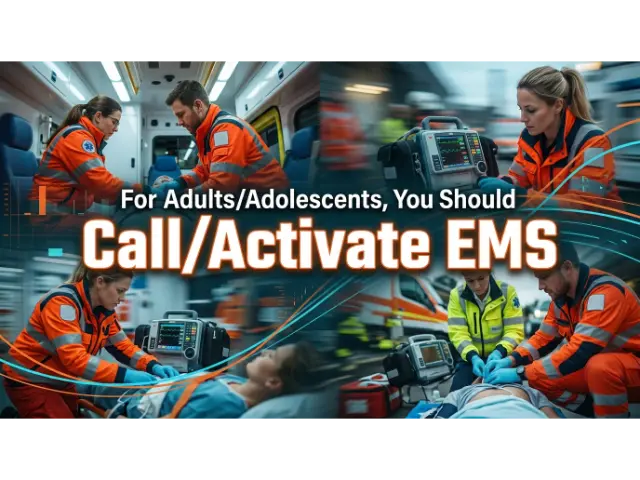
Knowing when to call or activate Emergency Medical Services (EMS) can save a life. For adults and adolescents experiencing a medical emergency, activating EMS as early as possible ensures trained professionals can provide lifesaving treatment while transporting the patient to the nearest emergency department.
Many first aid and CPR guidelines emphasize that recognizing an emergency quickly is just as important as providing care. Delaying the call for professional help can reduce the chances of survival, especially during cardiac arrest, stroke, severe trauma, or breathing emergencies.
What Does It Mean to Call or Activate EMS?
Activating EMS means contacting your local emergency response system, such as 911 in the United States or your country’s emergency medical number. Once notified, emergency dispatchers send trained paramedics or emergency medical technicians (EMTs) to the scene.
Dispatchers can also provide step-by-step instructions over the phone, including CPR guidance, bleeding control, or other first aid measures until emergency responders arrive.
For Adults and Adolescents, When Should You Call EMS?
You should call or activate EMS immediately if an adult or adolescent is unconscious, not breathing normally, or has no detectable pulse. These situations often indicate cardiac arrest or another life-threatening emergency that requires immediate professional medical care.
EMS should also be activated whenever a person’s condition appears serious or rapidly worsens. Early intervention greatly improves the chances of survival and reduces the risk of permanent complications.
Call EMS Immediately for Cardiac Arrest
Cardiac arrest is one of the most critical medical emergencies. If an adult or adolescent suddenly collapses, becomes unresponsive, and is not breathing normally, activate EMS without delay.
Begin CPR immediately after calling EMS or ask another person to make the emergency call while you start chest compressions. If an Automated External Defibrillator (AED) is available, use it as soon as possible by following the device’s voice prompts.
Severe Difficulty Breathing
Call EMS immediately if someone is struggling to breathe, gasping for air, or unable to speak because of breathing problems. Severe asthma attacks, allergic reactions, choking, or respiratory failure can quickly become life-threatening.
While waiting for emergency responders, help the person remain calm and follow any dispatcher instructions regarding first aid or CPR if their condition worsens.
Suspected Heart Attack
A heart attack requires immediate medical attention even if symptoms seem mild at first. Common warning signs include chest pain or pressure, pain spreading to the jaw, neck, shoulder, or arm, shortness of breath, nausea, cold sweats, and dizziness.
Calling EMS instead of driving to the hospital allows paramedics to begin treatment immediately and monitor the patient’s condition during transport.
Signs of Stroke
A stroke is another medical emergency where every minute matters. Early treatment can significantly reduce brain damage and improve recovery outcomes.
Remember the FAST warning signs:
- Face: One side of the face droops.
- Arms: One arm becomes weak or numb.
- Speech: Speech is slurred or difficult.
- Time: Call EMS immediately.
Severe Bleeding
Uncontrolled bleeding can rapidly lead to shock and death if not treated promptly. Activate EMS whenever bleeding cannot be stopped with direct pressure or if blood loss is severe.
Continue applying firm pressure to the wound while waiting for emergency responders unless instructed otherwise by the dispatcher.
Serious Head, Neck, or Spine Injuries
Call EMS if an adult or adolescent suffers a serious fall, vehicle collision, sports injury, or any trauma involving the head, neck, or back.
Avoid moving the injured person unless there is immediate danger, as unnecessary movement may worsen spinal injuries.
Choking That Cannot Be Relieved
If a choking victim cannot cough, speak, or breathe, immediate action is necessary. Perform abdominal thrusts according to current first aid guidelines while someone else activates EMS.
If the person becomes unconscious, begin CPR immediately and continue until emergency responders arrive.
Severe Allergic Reactions (Anaphylaxis)
Anaphylaxis can develop within minutes after exposure to foods, medications, insect stings, or other allergens. Symptoms include difficulty breathing, swelling of the face or throat, widespread hives, dizziness, and loss of consciousness.
Call EMS immediately, even if an epinephrine auto-injector has been used, because symptoms may return after the medication wears off.
Seizures Lasting More Than Five Minutes
Most seizures end within a few minutes, but emergency medical care is needed if a seizure lasts longer than five minutes, repeats without recovery, or occurs in someone without a known seizure disorder.
Keep the person safe by removing nearby hazards and avoid placing anything inside their mouth while waiting for EMS.
What Should You Do While Waiting for EMS?
After activating EMS, remain with the patient and closely monitor their condition. Follow the emergency dispatcher’s instructions, provide CPR if needed, control severe bleeding, or assist with an AED if one is available.
If possible, unlock doors, secure pets, and prepare important medical information, including medications, allergies, and existing health conditions, to help emergency responders provide faster treatment.
Why Early EMS Activation Saves Lives
Emergency medical teams bring advanced equipment, medications, and lifesaving skills directly to the patient. Early EMS activation shortens the time between the emergency and definitive medical treatment.
For conditions such as cardiac arrest, stroke, severe trauma, and respiratory failure, every minute of delay increases the risk of death or permanent disability.
Common Mistakes to Avoid
Many people hesitate before calling EMS because they hope symptoms will improve on their own. Delaying emergency care can allow life-threatening conditions to become much worse.
Another common mistake is attempting to drive seriously ill patients to the hospital instead of calling EMS. Ambulances provide immediate treatment during transport, which private vehicles cannot offer.
Conclusion
For adults and adolescents, you should call or activate EMS whenever someone is unresponsive, not breathing normally, has severe chest pain, signs of stroke, uncontrolled bleeding, serious injuries, severe allergic reactions, or any other life-threatening condition. Quick action allows trained emergency professionals to begin treatment as early as possible, significantly improving the patient’s chances of survival and recovery.
Frequently Asked Questions
When should you call EMS for an adult or adolescent?
Call EMS immediately if the person is unconscious, not breathing normally, has no pulse, experiences severe chest pain, shows signs of a stroke, has uncontrolled bleeding, or suffers another life-threatening emergency.
Should I call EMS before starting CPR?
If another person is available, ask them to call EMS while you begin CPR immediately. If you are alone with an adult victim, activate EMS as quickly as possible and then start CPR according to current emergency response guidelines.
Why is activating EMS better than driving to the hospital?
EMS personnel can begin lifesaving treatment immediately, monitor the patient’s condition, communicate with the receiving hospital, and provide advanced medical care during transportation.
What information should I provide when calling EMS?
Give the dispatcher your exact location, describe the patient’s condition, explain what happened, mention whether the person is breathing or responsive, and follow any additional instructions provided.
Should EMS be called even if symptoms improve?
Yes. Some medical emergencies, including heart attacks and allergic reactions, may temporarily improve before becoming worse again. When in doubt, it is safest to activate EMS and allow medical professionals to evaluate the situation.
